
Golf & Sport Finance ·
LIV Golf’s Bankruptcy Tests The Price Of Star Power
LIV Golf’s Chapter 11 filing turns a $5 billion expansion bet into a test of player economics, governance and durable sports finance.
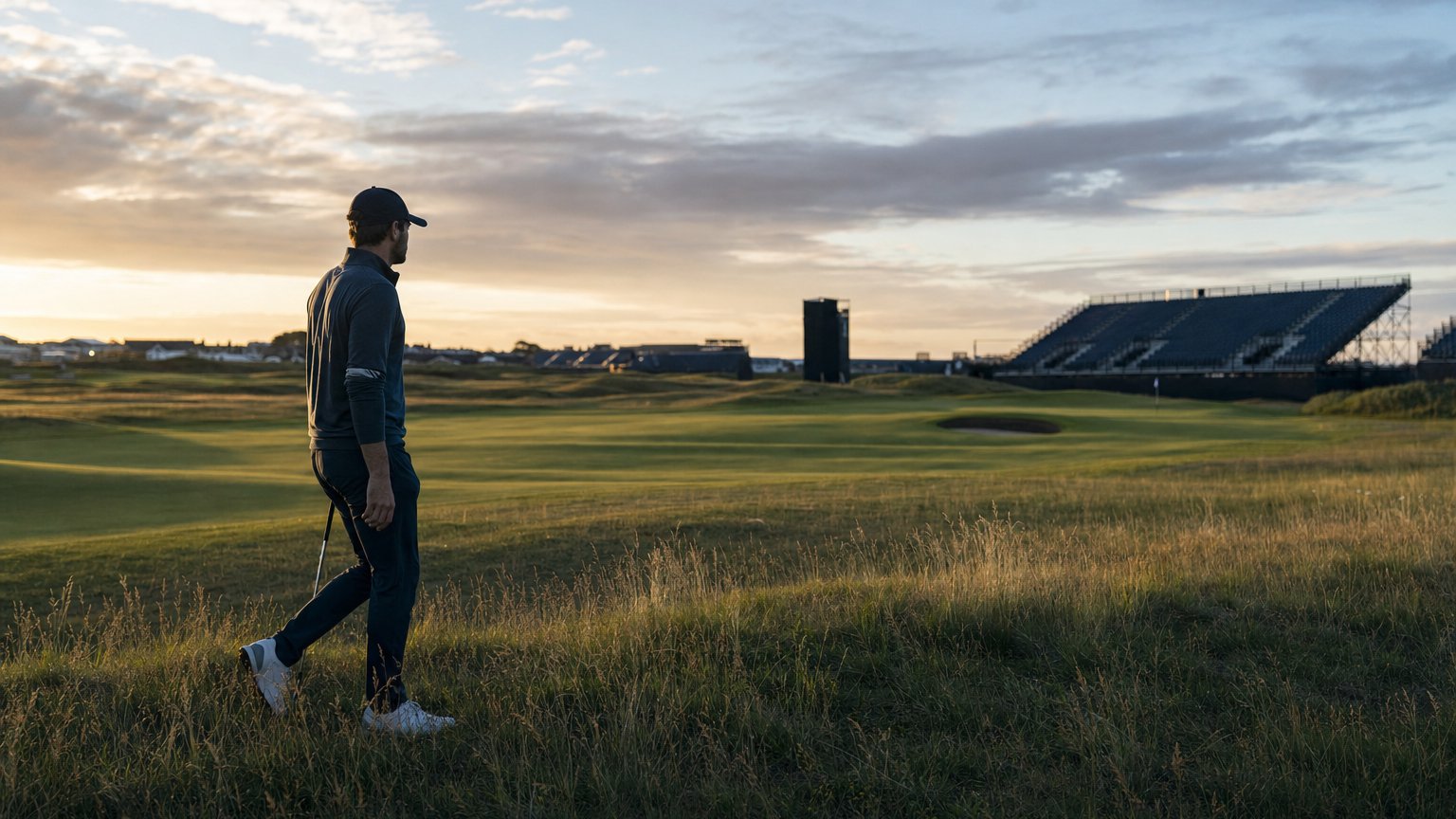
LIV Golf filed for Chapter 11 protection in New Jersey this week, turning one of sport’s most heavily funded expansion bets into a court-supervised test of whether star power can become a sustainable business across global markets.
The petition shows the scale of the reset. LIV lists between $500 million and $1 billion of liabilities against $100 million to $500 million of assets. Saudi Arabia’s Public Investment Fund, which owns 100% of the equity, has agreed to provide $49.6 million in debtor-in-possession financing while the league seeks a new capital structure.
That is a sharp change from the launch strategy. Since 2022, PIF has invested more than $5 billion in the breakaway circuit, using signing bonuses to recruit players including Jon Rahm, Bryson DeChambeau, Cameron Smith and Dustin Johnson. In April, the fund said further investment no longer aligned with its strategy and would end after the 2026 season.
LIV now says BC Partners Advisors and potential minority investors will support exit financing and a restructuring. The proposed next phase would make players majority owners, converting some unpaid or disputed contractual value into equity. Rahm, DeChambeau and Johnson are among the largest unsecured creditors, each listed as owed more than $5 million in the filing.
The structure may preserve the league, but it also exposes the operating challenge. LIV must retain enough recognizable talent to sell sponsorships, media inventory and hospitality while shrinking costs and navigating a shorter, leaner schedule. Sarah Foss, global head of legal and restructuring at Debtwire, told The Athletic: “You need these players. You need them to continue on.” Her point is commercial as much as legal. A league cannot replace a global star as easily as it can renegotiate a contract.
For investors and operators, the case is a warning against treating capital intensity as product-market fit. The reorganized LIV will need transparent player economics, credible event distribution and a path to recurring revenue that does not depend on a sovereign balance sheet. Its player-ownership proposal is intriguing, but governance, dilution and incentive design will determine whether alignment becomes an asset or another unfunded promise.
The Greatest Good in sports finance is not the biggest cheque or loudest disruption. It is a durable competition whose economics respect athletes, fans and the communities that host it. #LITSportsGlobal #TheGreatestGood
中文版
LIV高爾夫破產考驗球星價值的真正價格
LIV高爾夫本周在新澤西申請第11章破產保護,把體壇其中一項資金最充裕的擴張押注,變成一場由法院監督、考驗球星效應能否轉化為可持續全球業務的重組。
申請文件顯示這次重置的規模。LIV列出的負債介乎5億至10億美元,資產則介乎1億至5億美元。持有全部股權的沙特阿拉伯公共投資基金,同意提供4,960萬美元的債務人持有資產融資,讓聯盟尋找新的資本結構。
這與最初的擴張策略形成鮮明對比。自2022年成立以來,PIF已向這項分裂巡迴賽投資逾50億美元,以簽約獎金招攬莊臣、拉姆、德尚布及卡梅隆施密夫等球員。基金在4月表示,繼續投資已不再符合其策略,並會在2026年球季結束後停止注資。
LIV現表示,BC Partners Advisors及潛在少數投資者將支持退出融資及重組。下一階段計劃讓球員成為大股東,把部分未支付或有爭議的合約價值轉化為股權。根據申請文件,拉姆、德尚布及莊臣是最大的無抵押債權人之一,每人被列出的欠款均超過500萬美元。
這種結構或能保住聯盟,但也暴露營運挑戰。LIV必須保留足夠知名球員,以銷售贊助、媒體庫存及待客服務,同時縮減成本並應對更短、更精簡的賽程。Debtwire全球法律及重組主管Sarah Foss向The Athletic表示:「你需要這些球員。他們必須繼續留下。」她的觀察既是商業判斷,也是法律判斷。聯盟可以重新談判合約,卻不能同樣容易地取代全球球星。
對投資者及營運者而言,這宗個案提醒市場,不應把資本密度視為產品市場契合。重組後的LIV需要透明的球員經濟、可信的賽事分發,以及不依賴主權資產負債表的經常性收入路徑。球員持股方案具有吸引力,但管治、攤薄及激勵設計,將決定利益一致是資產還是另一項未獲資金支持的承諾。
體育金融的「至善」不是最大一張支票或最喧鬧的顛覆,而是一項持久的競賽,讓經濟模式尊重運動員、球迷及承辦賽事的社區。#LITSportsGlobal #TheGreatestGood
Published by LIT Sports Global, the Hong Kong sports investment and management group. Open this post in the interactive site · Visit the homepage