Markets & Deals ·
Seahawks Sale Becomes a Test Case for NFL Private Equity
As the Khosla-led Seahawks purchase draws would-be partners, the NFL’s private-equity rules are shifting from guardrails into a repeatable financing template.
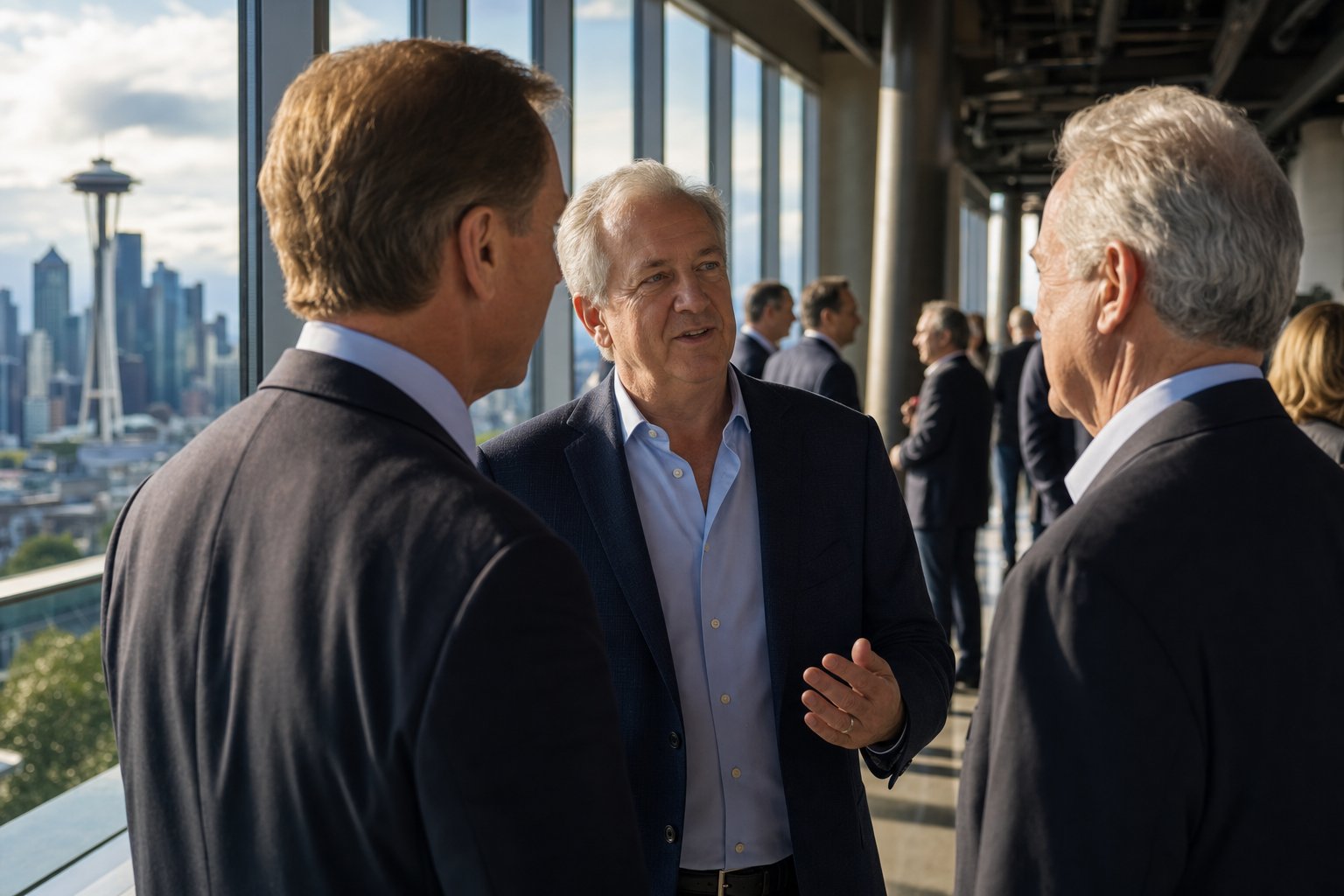
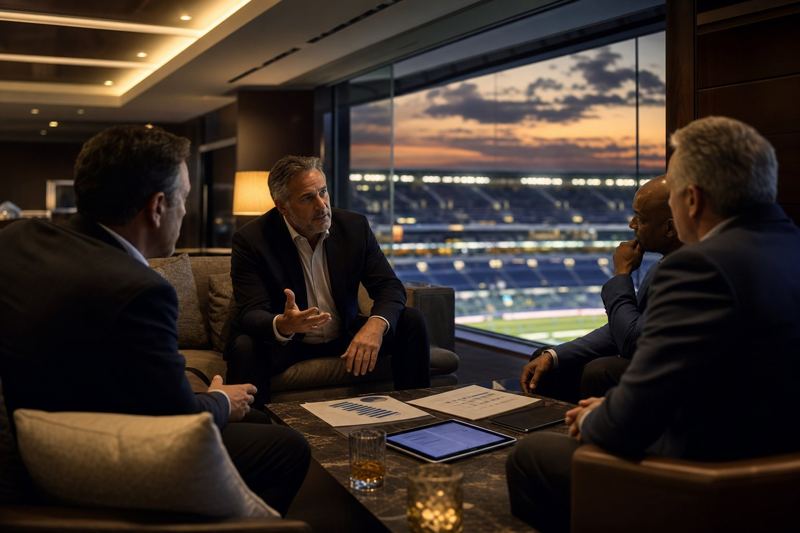
When the Khosla family agreed to buy the Seattle Seahawks for a reported $9.612 billion, the headline number reset the ceiling for NFL valuations. Now the sequel is about structure: the new owners are in talks to add outside investors, including former Sequoia Capital partner Mark Stevens and private equity firm Sixth Street Partners, alongside a possible joint bid from Carlyle Group and Dynasty Equity Partners, according to Bloomberg.
On paper, the league’s rules are designed to keep control in human hands. A principal owner must hold at least 30% of the franchise, while private equity is capped at minority positions and confined to a short list of approved firms. In practice, the Seahawks transaction shows how quickly that framework is turning into a financing toolkit, not a barrier.
Minority capital can lower the cash burden on a control owner, but it also introduces a new layer of governance expectations. Even with long holding-period requirements, institutional investors tend to ask for clearer reporting, more formal budgets and a sharper view of cash conversion across tickets, suites, sponsorship and media. Those habits can be useful in a league where most clubs are still run like family enterprises with premium distribution economics.
“The NFL is discovering that minority capital is not just cheap money, it’s a discipline mechanism,” said Marc Ganis, a sports business consultant who advises multiple league owners, in comments carried by Front Office Sports. “But the league will keep moving slowly, because control and culture are the product.”
For the capital markets, the story is less about one team and more about repeatability. If the Seahawks can assemble a consortium that mixes tech wealth with blue-chip private equity within league rules, other owners will treat it as a template for liquidity without surrendering control. That matters for succession planning, estate sales and the next generation of stadium and training-facility spending, where upfront checks keep getting larger.
Operators should also read the move as a signal on valuation math. When minority stakes start trading with more standardized terms, the league gets an additional reference point for what growth is worth, and what risk is being priced, beyond Forbes-style topline multiples. That can influence everything from debt capacity to how aggressively clubs invest in international markets and direct-to-consumer products.
The Seahawks deal will still need league approval, and talks with additional investors can always change. But the direction is clear: as private equity spreads across trophy assets, the NFL’s most guarded league is turning ownership into a platform that can fund innovation, share risk and extend stewardship. Done well, that financing should serve fans and communities, not just balance sheets, aligning with The Greatest Good.
中文版
海鷹隊易主 成NFL私募資本試金石
當Khosla家族同意以據報96.12億美元收購西雅圖海鷹隊時,交易金額已把NFL估值天花板推高。更關鍵的是交易結構的續集:據彭博報道,新班主正與潛在合作夥伴洽談,包括前紅杉資本合夥人Mark Stevens、私募基金Sixth Street Partners,以及可能由Carlyle Group與Dynasty Equity Partners組成的聯合出價。
表面上,聯盟規則旨在把控制權留在個人手上。主控股東需持有至少30%股權,而私募基金只能持有少數股權,且必須來自聯盟批准的有限名單。但在現實中,海鷹隊交易顯示這套框架正迅速變成一套融資工具,而非門檻。
少數股權資金能降低主控股東一次性出資壓力,但同時也帶來新的治理期待。即使有最低持有期要求,機構投資者仍傾向要求更清晰的披露、更正式的預算流程,以及對門票、包廂、贊助與媒體收入等現金轉換的更嚴謹視角。這種「制度化」習慣,對不少仍以家族式思維營運、但同時享有高端分派經濟的NFL球會反而是助力。
體育商業顧問Marc Ganis在《Front Office Sports》引述的評論中表示:「NFL正在發現,少數股權資本不只是便宜資金,更是一種紀律機制。但聯盟仍會慢慢走,因為控制權與文化本身就是產品。」
對資本市場而言,重點不在於一支球隊,而在於可複製性。若海鷹隊能在聯盟規則內,組合科技富豪與一線私募基金的財團架構,其他班主很可能把它視作「不放棄控制權也可變現」的範本。這將影響接班與遺產處置,也會牽動下一代球場、訓練基地等資本開支,因為所需的前期支票愈來愈大。
營運方亦應把這視為估值計算方式的訊號。當少數股權交易開始以更標準化的條款成交,聯盟便多了一個參考座標去衡量成長值多少、風險如何定價,不再只依賴類似Forbes的收入倍數敘事。這可能影響球會的舉債能力,以及它們在國際市場與DTC產品上的投資進取程度。
海鷹隊交易仍須聯盟批准,與新增投資者的洽談亦可能有變數。但方向已相當清晰:當私募資本加速流入「獎盃資產」,最保守的NFL正把球隊股權變成可支撐創新、分散風險、延續管治的資本平台。若運作得宜,這種融資應服務球迷與社區,而不只是資產負債表,與「至善」的The Greatest Good一致。
Published by LIT Sports Global, the Hong Kong sports investment and management group. Open this post in the interactive site · Visit the homepage