Markets & Deals ·
Walton Investment Puts Real Estate Back in NBA Equation
A minority stake in the Chicago Bulls and United Center underscores how arena-linked development is becoming the new control lever, even when control itself is off the table.
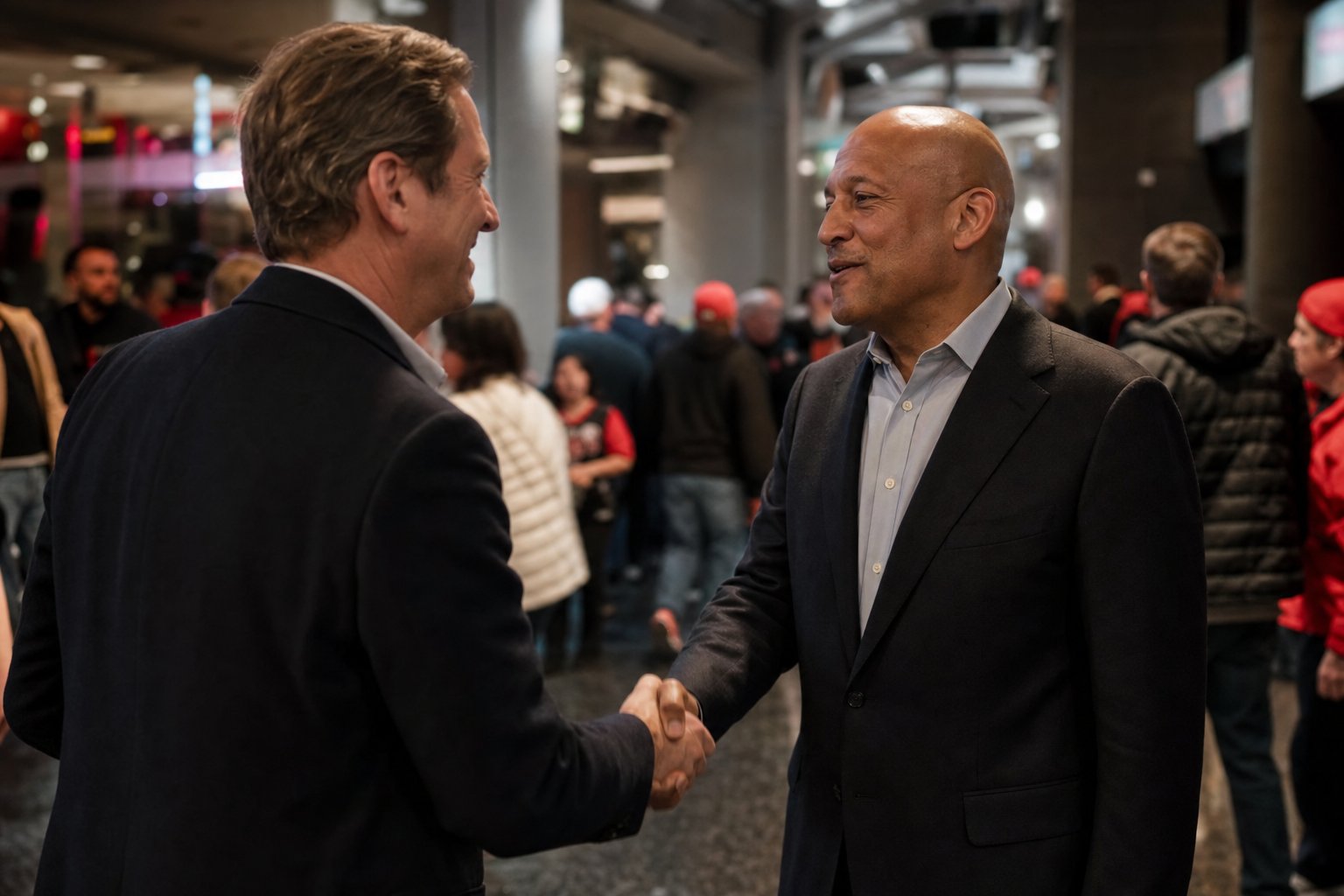
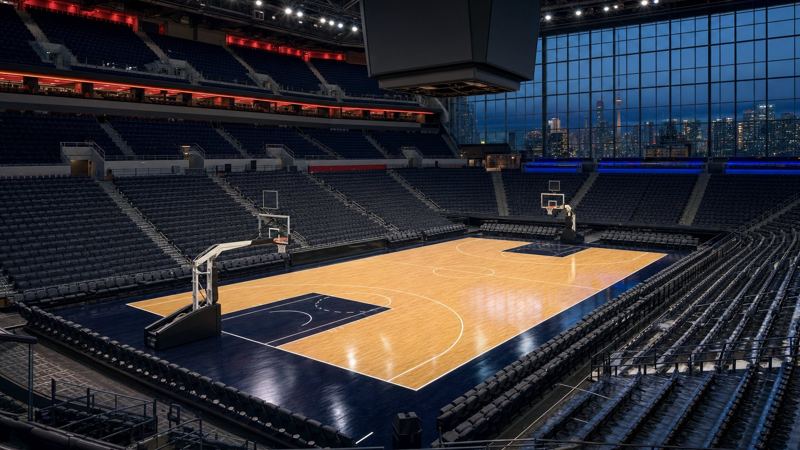
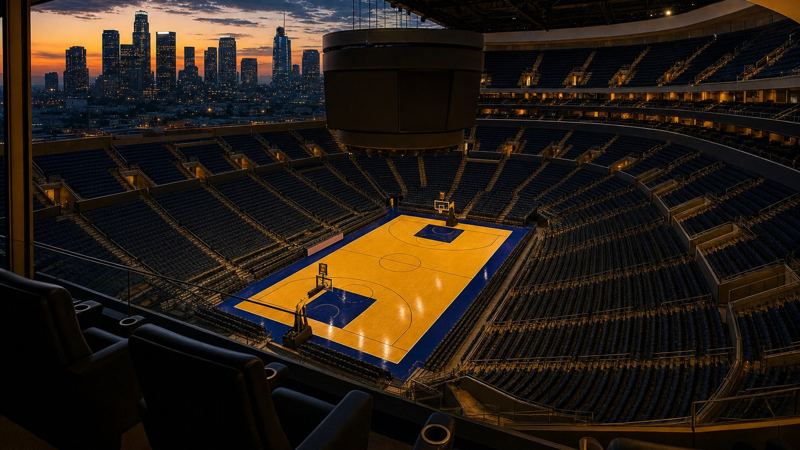
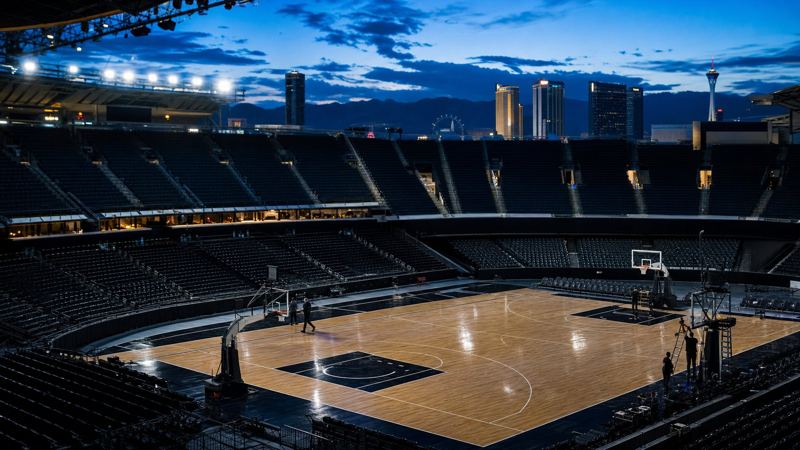
Lukas Walton’s minority investment in the Chicago Bulls is not just another rich-name entry into the NBA ownership ledger. The deal also includes a slice of the United Center, the arena the Bulls share with the NHL’s Blackhawks, signaling that in the next cycle of sports ownership, real estate is no longer a sidecar. It is the engine.
The Bulls said Walton and his wife, Samantha, purchased interests from existing limited partners, while the Reinsdorf family remains the team’s controlling owner and the Reinsdorf and Wirtz families keep control of the arena and the broader redevelopment tied to the site. That structure matters: it highlights a model where the most investable piece is not the on-court product but the long-dated cash flows around it.
For an NBA franchise, gates and local media are no longer the only anchors of value. Premium seating, in-arena spend, and non-game events are increasingly packaged with adjacent mixed-use development: hotels, offices, retail, entertainment districts, and transit-oriented upgrades that can extend earning power beyond the season calendar.
“In the current market, investors want inflation-protected, hard-asset exposure with brand resilience,” said a U.S.-based sports banker who advises on team and venue transactions. “Arenas with development optionality are closer to infrastructure than entertainment, and that changes the buyer set.”
Chicago is a vivid case study because the arena is not only a venue but also the front door to a broader West Side transformation plan. Even without a path to control, a well-structured minority position can still access the economic upside of the district: naming rights resets, sponsorship inventory tied to year-round foot traffic, and new premium products that convert visitors into recurring revenue.
For operators, the message is clear. If you want to keep future valuations compounding, you have to treat venue and district economics as a single P&L, with governance and capital plans that are legible to outside investors. For investors, the implication is equally direct: the best risk-adjusted entry point may be the arena platform, not the team’s cap table.
That is the ownership story LIT Sports Global tracks: sport as a civic asset and a disciplined capital project, built to serve fans, cities, and partners at The Greatest Good.
中文版
Walton 入股令 NBA 估值再看場館地產
Walmart 家族繼承人 Lukas Walton 入股芝加哥公牛,並非只是另一宗「富豪入場」的 NBA 股權交易。更關鍵的是,交易同時涵蓋 United Center 的部分權益,意味在下一輪體育資產估值周期,地產不再只是附屬項目,而是核心引擎。
公牛表示,Walton 與妻子 Samantha 是向現有小股東收購持份;Reinsdorf 家族仍是球隊控股方,而 Reinsdorf 與 Wirtz 兩大家族亦繼續控制 United Center 及其相關的區域重建計劃。這種結構反映:最具投資吸引力的,未必是場上產品,而是圍繞場館的長期、可預測現金流。
對 NBA 球隊而言,門票與本地媒體早已不是唯一支柱。高端座位、場內消費、非比賽日活動收入,正與周邊綜合發展一併打包,包括酒店、辦公、零售、娛樂區,以及以交通為核心的城市升級,將盈利能力延伸至整個年度。
一位為球隊與場館交易提供顧問服務的美國體育投行人士表示:「當前市場的投資者更偏好具抗通脹特性、硬資產屬性的配置,同時又要有強品牌韌性。具發展選擇權的場館更像基建而非純娛樂,買家群亦因此改變。」
芝加哥是明顯案例:場館不只是比賽場地,更是西區更大規模城市更新的入口。即使沒有控股路徑,設計得宜的小股權仍可參與區域的經濟上行,包括冠名權重估、與全年人流掛鈎的贊助資產,以及把訪客轉化為經常性收入的新高端產品。
對營運者而言,訊息清晰:若要令估值持續複利增長,必須把場館與周邊區域視為同一份損益表來經營,並建立讓外部資本看得懂的治理與資本規劃。對投資者而言,含意同樣直接:風險調整後最具吸引力的入口,可能是場館平台,而非球隊股權本身。
這正是 LIT Sports Global 持續追蹤的擁有權新敘事:把體育視為城市資產與紀律化的資本工程,為球迷、城市與合作伙伴共同創造 The Greatest Good,實踐「至善」。
Published by LIT Sports Global, the Hong Kong sports investment and management group. Open this post in the interactive site · Visit the homepage