published ·
Baseball’s Streaming Pivot Exposes a Local Revenue Cliff
As RSN deals unravel, MLB clubs are discovering that direct-to-consumer subscriptions scale like a niche product, not a replacement for eight-figure cable fees.
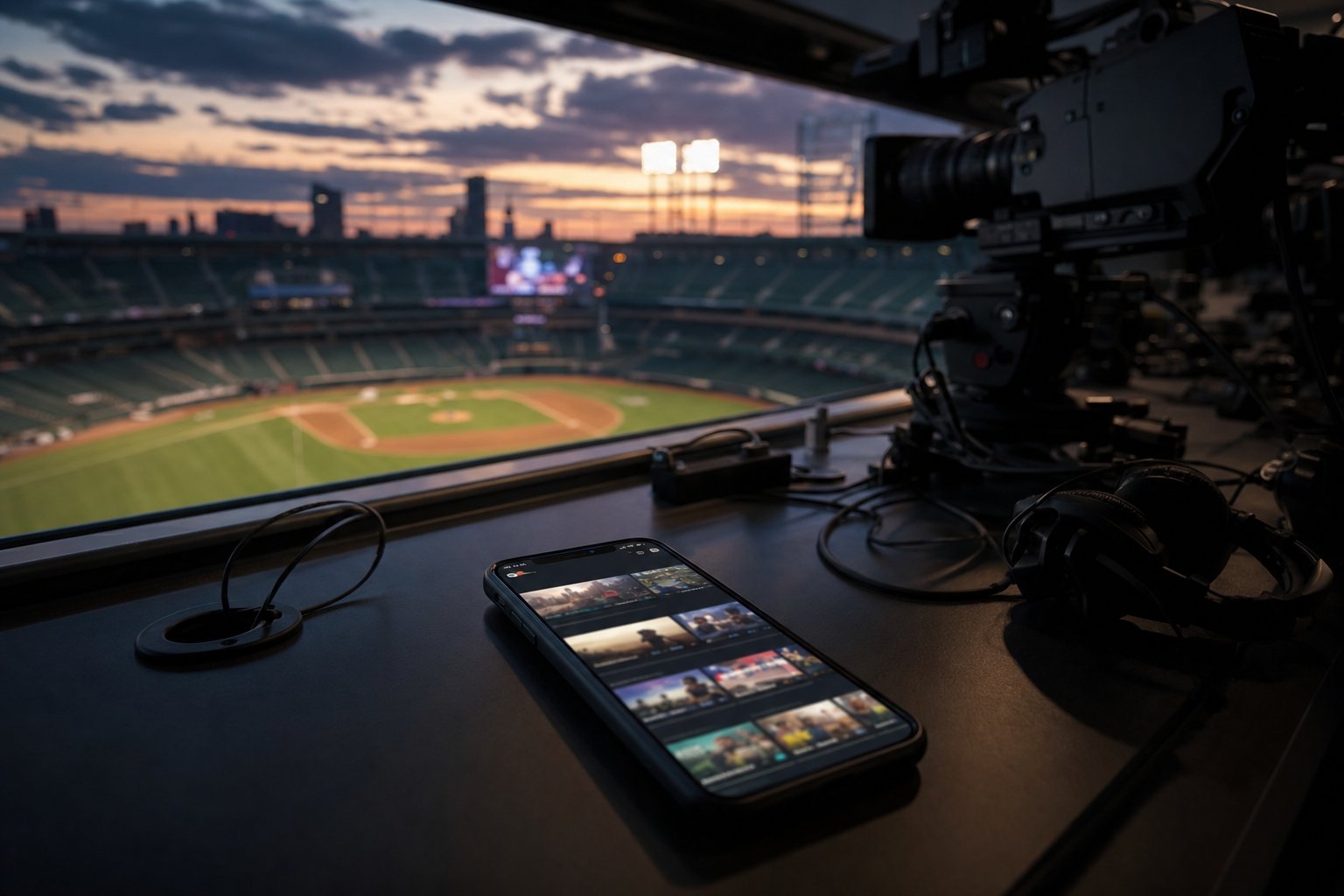
Major League Baseball’s regional sports network model is not just wobbling. It is forcing teams to learn, in public, what a direct-to-consumer business can and cannot replace.
An MLB.com explainer on competitive balance put hard numbers on the gap. Minnesota Twins ownership said the club sold 50,000 streaming subscriptions last year at $99 each, or about $5 million, as it tried to replace a defunct cable deal that paid $54 million in 2023. The same piece noted that teams that have lost RSN deals have seen local media revenue cut by about half.
That arithmetic is why the RSN unwind is quickly becoming an operating problem, not a future strategy discussion. Clubs can launch in-market products, discount aggressively, bundle with ticketing, and promote through broadcast talent, but they still face a simple ceiling: a local streaming pass is an incremental purchase, while a cable carriage fee was effectively a tax on every household that kept the channel.
A media executive who advises rights holders said the near-term winners will be the teams that treat DTC less like a subscription video service and more like a distribution utility. In practice, that means pushing for the widest possible reach in-market through multiple pipes: slim bundles, virtual MVPDs, over-the-air broadcasts, and team-controlled apps, even if the first-year margins are thin. “The key is to rebuild scale before you rebuild price,” the executive said.
The investor implications are immediate. Teams used to underwriting payroll and debt service against predictable local rights checks now have to model churn, customer acquisition cost, and promo-driven seasonality. That shifts valuation discussions away from pure scarcity and toward management execution, including data capabilities and marketing sophistication.
For operators, the pivot changes priorities too. If local media revenue is volatile, the marginal value of controllable revenue lines rises: premium seating, sponsorship inventory tied to first-party data, and events that create owned content. Teams that can convert fans into year-round customers will be better insulated when the next rights cycle resets.
This is not a story about baseball falling behind. It is a story about sports finally pricing distribution like a consumer business. Done well, the shift could create healthier long-term relationships with fans. Done poorly, it will turn what was once guaranteed money into a quarterly scramble. Either way, the work now is to align capital, operations, and fandom with The Greatest Good.
Hashtags: #LITSportsGlobal #MLB #SportsMedia #Streaming #TheGreatestGood
Sources: MLB.com (https://www.mlb.com/news/mlb-competitive-balance-issue-explained)
中文版
MLB 串流轉向突顯主場轉播收入斷崖
MLB 的地區體育台(RSN)模式不只是動搖,而是逼球會在眾目睽睽下重新學習:直面消費者(DTC)的生意,究竟能取代多少。
MLB.com 一篇關於競爭平衡的解說文章把缺口寫得很清楚。明尼蘇達雙城隊班主表示,球會去年以每個 99 美元售出 50,000 個串流訂閱,收入約 500 萬美元,嘗試填補 2023 年一份已失效的有線合約所帶來的 5,400 萬美元。文章亦提到,失去 RSN 合約的球隊,其本地媒體收入大約被削減一半。
這道算術題解釋了為何 RSN 解體很快由「未來策略」變成「即時營運」問題。球會可以推出本地訂閱產品、用折扣衝量、與門票捆綁、透過播音團隊宣傳,但仍面對一個天花板:本地串流通行證屬額外消費,而有線收視費過去等同向每個家庭收一筆「渠道稅」,只要你有有線就要付。
一位為版權方提供顧問服務的媒體高層認為,短期勝出者將是把 DTC 視為「分發基建」而非單純串流平台的球隊。實務上,就是在本地市場盡量追求覆蓋:瘦身套餐、虛擬有線(vMVPD)、免費地面電視(OTA)與球隊自家 App 同步推進,即使首年毛利偏薄也要做。該高層說:「關鍵是先把規模重建,再談定價。」
對投資者而言,影響立刻浮現。過去球隊可用穩定的本地版權支票去承諾薪資與債務服務,現在要改用流失率、獲客成本,以及促銷帶來的季節性來做模型。估值討論也因此由「稀缺性」轉向「執行力」,包括數據能力與市場推廣的成熟度。
對經營者來說,重點亦會轉移。本地媒體收入若波動,其他可控收入線的邊際價值自然上升:高端座位、與第一方數據連結的贊助庫存,以及能產生自有內容的活動。能把球迷轉化為全年客戶的球隊,會在下一輪版權重設時更具韌性。
這不是「棒球落後」的故事,而是體育產業終於用消費者生意的方式去為分發定價。做得好,將帶來更健康的長期球迷關係;做得不好,原本的保證收入就會變成每季的追數戰。無論如何,現在要做的是把資本、營運與球迷關係對齊 The Greatest Good(「至善」)。
標籤:#LITSportsGlobal #MLB #體育媒體 #串流 #TheGreatestGood
資料來源:MLB.com(https://www.mlb.com/news/mlb-competitive-balance-issue-explained)
Published by LIT Sports Global, the Hong Kong sports investment and management group. Open this post in the interactive site · Visit the homepage