F1 and Live Events ·
F1 Ticketing Deal Puts Fan Data at Center
A five-year partnership with Fever will bring a new ticketing platform to F1.com from 2027, signaling a push to control inventory, service and first-party fan data.
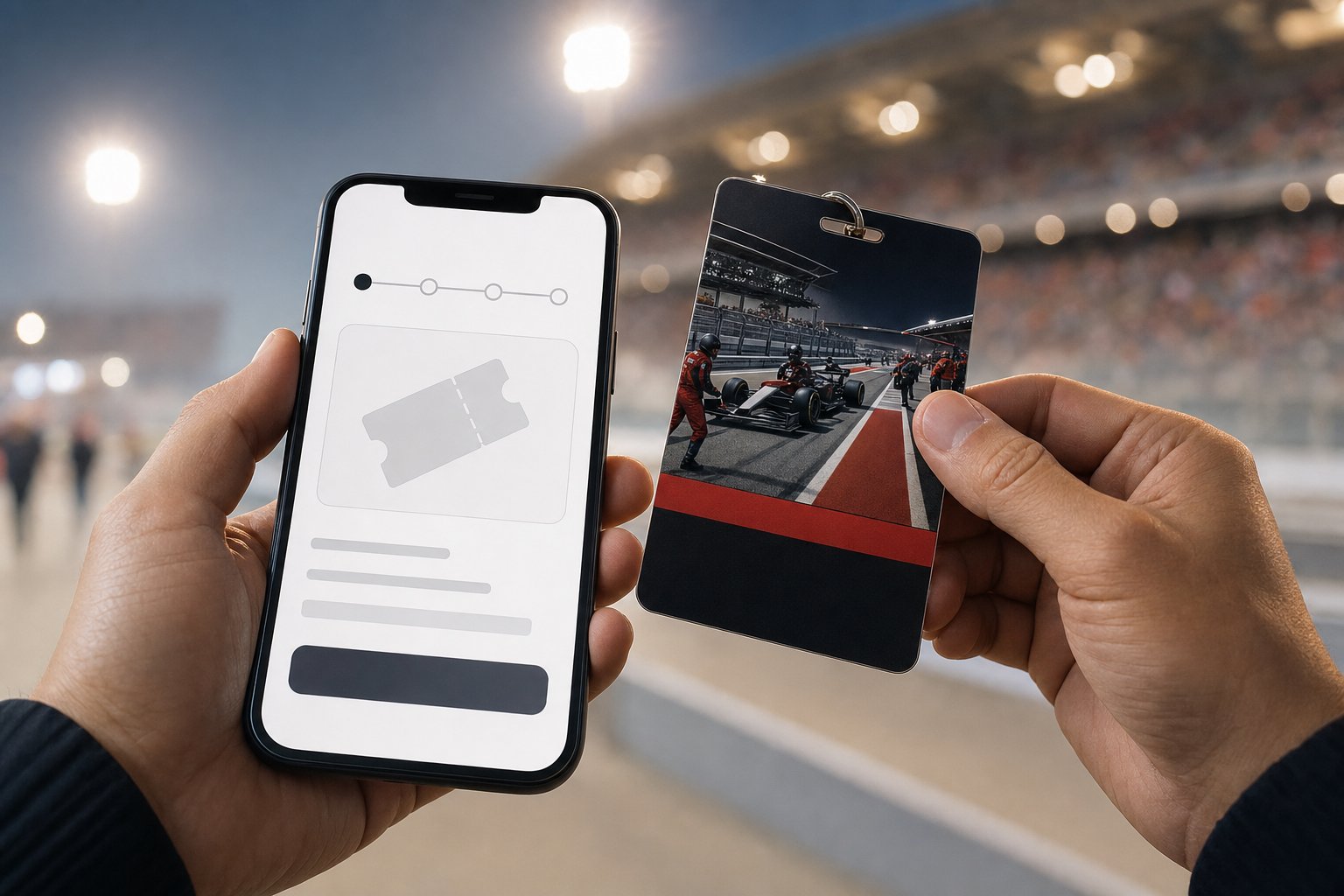
Formula 1 is making a quiet but consequential move in the business stack that sits between a fan and a seat. The series has named live entertainment platform Fever an Official Supplier under a five-year agreement that will bring a new ticketing experience to F1.com from the 2027 season, spanning general admission, local hospitality and Paddock Club inventory.
For a sport that sells scarcity, ticketing has become less about checkout and more about lifetime value. The modern race calendar is a traveling mall: premium hospitality, on-site experiences, merchandise and content upsells. Owning the primary purchase journey helps unify pricing, inventory visibility and customer service across promoters, circuits and the league, while reducing the fragmented pathways that push consumers to secondary markets or unlicensed resellers.
Emily Prazer, Formula 1’s chief commercial officer, framed the partnership around making the consumer journey “as seamless and enjoyable as possible,” with the goal of improving search, booking and service. Fever’s pitch is the technology layer: a refreshed interface and tools designed to make official inventory easier to discover and simpler to buy, while standardizing support across markets.
The interesting signal is not a new vendor, but a shift in what Formula 1 wants to control. Ticketing is a data asset that informs sponsorship packages, venue mix decisions and how far the sport can push dynamic pricing without degrading trust. As media rights fragment and sponsors demand proof of audience behavior, first-party purchase data becomes a lever to quantify who converts, who returns and what experiences move the needle.
For investors and operators, the playbook resembles what leading entertainment companies built years ago: integrate distribution, then monetize the relationship, not the single event. Circuits and promoters that can connect local inventory to global demand should see higher yield and cleaner demand forecasting, while those that cannot may face more pressure to share data, pricing controls and service standards.
The next growth phase in live sport will be won in the layers that feel boring to fans and hugely strategic to CFOs. Getting ticketing right is not glamorous, but it is how Formula 1 turns passion into a repeatable business model in service of The Greatest Good.
中文版
F1 售票合作把粉絲數據放到核心
F1 正在把一個看似低調、卻可能改寫商業結構的環節收回到自己手中:從粉絲到座位之間的「入口」。這項賽事已宣布與現場娛樂科技平台 Fever 建立長期合作,並在為期五年的協議下,從 2027 賽季起在 F1.com 推出新的官方售票體驗,涵蓋一般門票、各站主辦方的貴賓套票,以及 Paddock Club 等高端產品。
對一個以稀缺性定價的運動而言,售票早已不只是結帳流程,而是「終身價值」的起點。F1 的賽曆就像一個移動式商場:高端款待、現場體驗、周邊商品與內容加購。掌握第一手的購票旅程,可以把定價、庫存可視化與客服標準串起來,同時降低粉絲被迫走向二級市場或非授權渠道的機會成本。
F1 商務總監 Emily Prazer 形容,合作的核心是讓消費者旅程「更順暢、更愉快」,尤其在搜尋、預訂與服務上提升體驗。Fever 的定位則是提供技術層:以更清晰的介面與工具,提升官方庫存的可被發現性,簡化購買路徑,並在不同市場建立一致的支援標準。
最值得注意的並非更換供應商,而是 F1 對「要控制什麼」的態度轉變。售票本質上是一個數據資產,能反饋到贊助方案設計、場站組合、以及動態定價能推到多遠而不損害信任。當媒體權利愈來愈分散、品牌又要求用行為證據證明效益,第一方的購買數據就成為衡量轉化、回訪與體驗價值的關鍵槓桿。
對投資人與營運者而言,這更像成熟娛樂產業早年的路線:先把分發整合,然後把關係貨幣化,而不是只賣一場活動。能把地方庫存與全球需求接軌的賽道與主辦方,理論上可提高單位收益並改善需求預測;做不到的,未來可能要在數據分享、定價權與服務標準上承受更大壓力。
現場體育的下一輪增長,往往決勝於粉絲覺得「無聊」、財務主管卻認為極具戰略價值的系統層。把售票做好不華麗,但它正是 F1 把熱情變成可複製商業模型、並以「The Greatest Good」與「至善」為依歸的關鍵一步。
Published by LIT Sports Global, the Hong Kong sports investment and management group. Open this post in the interactive site · Visit the homepage