Pickleball Business ·
MLP Toray Deal Shows Pickleball Supply Chain Is Global
Toray’s ‘kitchen’ branding push in Major League Pickleball is a signal that materials science, not just star players, will shape the next phase of the sport’s economics.
Major League Pickleball has a new kind of sponsor, and it is not selling shoes or soft drinks. The league has signed Toray Industries as a platinum partner, giving the Japanese materials group branding on the ‘kitchen’ line at events and a set of business-to-business activations across tour cities. The deal positions an Asia-based industrial champion as a visible player in a sport that still sells itself as an American participation story.
Toray’s pitch is straightforward: pickleball is a fast-growing participation engine, and equipment is where performance and margins compound. Toray said the initiative is designed to build awareness for its carbon fiber business in the US and create communication opportunities with customers and partners. For the league, the partnership is a reminder that the sport’s next revenue layer will come from the supply chain, not only from ticketing and media.
George Killebrew, chief revenue officer at the United Pickleball Association, said Toray will be “our partner, helping to shape future global paddle production.” That is an unusually specific promise for a sponsorship line item, and it points to a broader shift: brands want to attach themselves to product innovation that can be measured in watts, weight and durability, not just impressions.
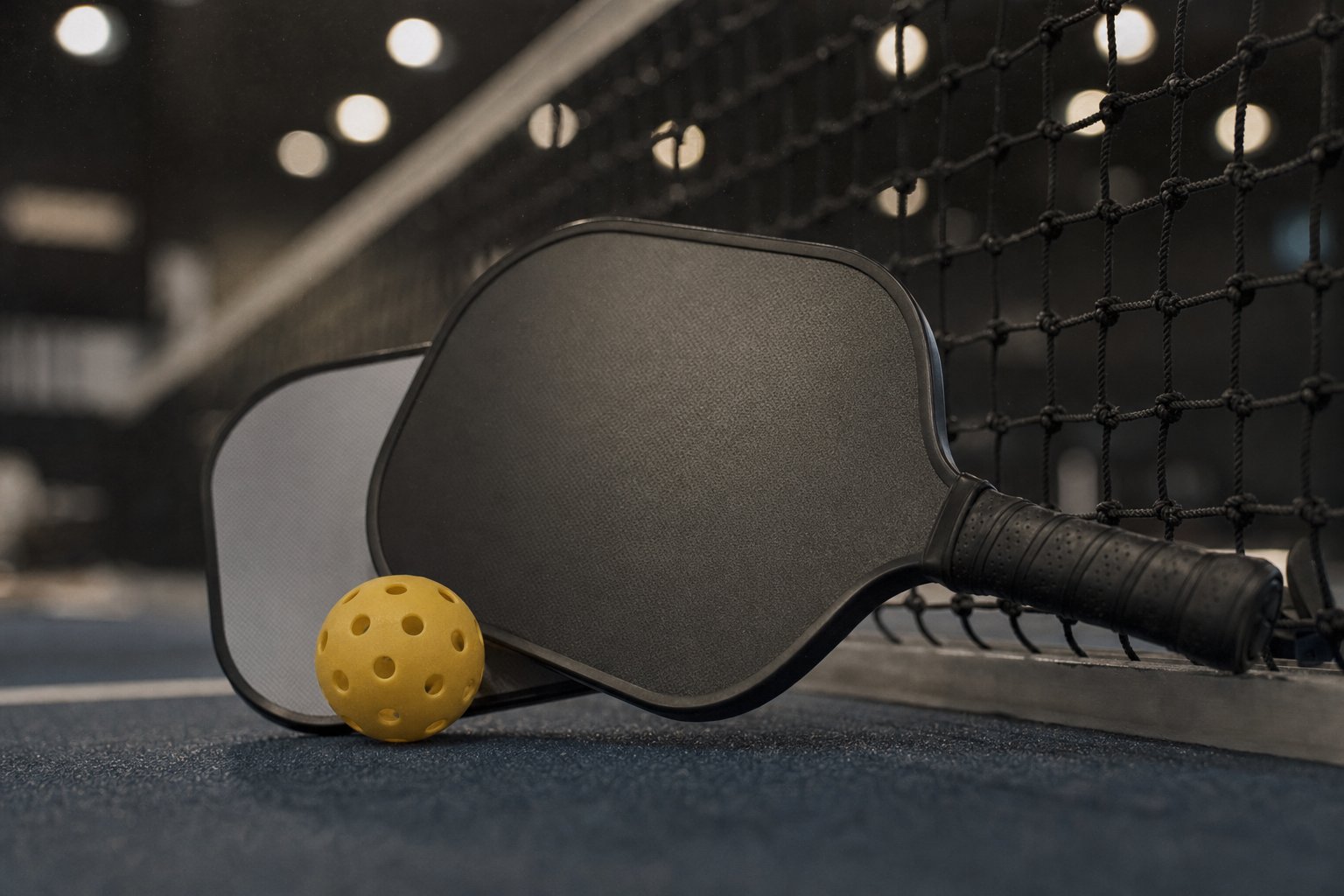
The ‘kitchen’ inventory matters because it sits at the most camera-friendly part of a pickleball court. If Toray is serious about being a household name, broadcast exposure helps. But the bigger logic is that materials R&D can influence where premium paddles are made, what they cost, and how quickly new designs cycle into the market. Toray noted that its Torayca carbon fiber is already used in some high-grade paddles and said its resins could be used in manufacturing pickleballs themselves.
For operators and investors, the implication is that pickleball is entering the phase that tennis and golf know well: the equipment stack becomes a strategy, with licensing, retail partnerships and performance narratives that justify price points. Leagues and tours can monetize that stack by creating testing grounds, preferred supplier programs and co-branded product drops that complement sponsorship revenue.
The Asia angle should not be overlooked. Toray is MLP’s first Asia-based partner, and the relationship offers a credible bridge to manufacturers and distribution networks in Japan and the wider region. If UPA and its tours want growth in Hong Kong and the Greater Bay Area, hardware and facility buildouts may travel faster than rights deals, especially when global suppliers can underwrite product education and venue-level activation.
Pickleball’s business story is getting more industrial, more international and more investable. Done well, that evolution can widen access while improving quality, which is exactly the kind of flywheel that serves The Greatest Good. #LITSportsGlobal #TheGreatestGood
中文版
MLP 與東麗合作凸顯匹克球供應鏈全球化
Major League Pickleball(MLP)迎來一位不同類型的贊助商,賣的不是球鞋也不是汽水。這個聯盟與日本材料巨頭東麗(Toray Industries)簽下白金級合作,讓東麗在賽事中以「廚房線」(kitchen line)獲得高辨識度的場地冠名曝光,並在巡迴各城市安排一系列 B2B 合作與活動。這筆交易把一間亞洲工業龍頭帶到鏡頭中心,也提醒外界:匹克球不再只是美國參與型運動的熱潮,而是正在走向全球化的產業鏈。
東麗的敘事很清楚:匹克球的參與人口快速上升,而裝備才是性能與利潤最容易累積的地方。東麗表示,這項合作旨在提升其在美國的碳纖維業務能見度,並與客戶與合作夥伴建立更多溝通機會。對聯盟而言,這也是一個訊號:下一層收入未必只來自門票或媒體權利,而是來自供應鏈與產品創新。
美國 United Pickleball Association(UPA)首席營收官 George Killebrew 指出,東麗將成為「我們的夥伴,協助塑造未來的全球球拍生產」。對一筆贊助案來說,這種說法非常具體,也指向更大的轉變:品牌希望綁定可量化、可驗證的產品創新,談的是重量、耐用度與手感,而不只是曝光量。
「廚房線」的場地資產之所以重要,是因為它位於球場最容易被鏡頭捕捉的位置。若東麗真想成為「家喻戶曉」的品牌,轉播畫面確實有助於建立記憶點。但更核心的邏輯在於:材料研發會影響高端球拍的製造地、成本結構,以及新品迭代的速度。東麗亦提到,其 Torayca 碳纖維已被用於部分高端球拍,而樹脂材料未來甚至可用於匹克球本體的製造。
對營運者與投資人來說,這意味著匹克球正進入網球與高爾夫熟悉的階段:裝備成為一條策略路徑,透過授權、零售通路與性能敘事,支撐更高的定價。聯盟與巡迴賽也可把「裝備堆疊」商品化,建立測試場域、指定供應商計畫,或推出聯名產品,讓贊助收入之外再長出可持續的商業模式。
亞洲視角同樣值得關注。東麗是 MLP 首個亞洲贊助夥伴,這層關係可望為日本及更廣泛的區域帶來製造與分發網絡的連結。若 UPA 與旗下賽事希望推動香港與大灣區增長,硬體供應與場館建置往往比權利金談判更快落地,尤其當全球供應商願意為產品教育與場館端活動買單。
匹克球的商業故事正變得更工業化、更國際化,也更具投資屬性。若能把這股能量導向更高品質與更廣泛的參與,它就能回到運動的初衷,走向「至善」與 The Greatest Good。#LITSportsGlobal #TheGreatestGood
Published by LIT Sports Global, the Hong Kong sports investment and management group. Open this post in the interactive site · Visit the homepage