
Markets & Deals ·
Japan Rolls Up Youth Sport as a Scale Play
A small Japanese acquisition looks like a local story. Read the unit economics and it is the opening move of an Asia-wide roll-up.
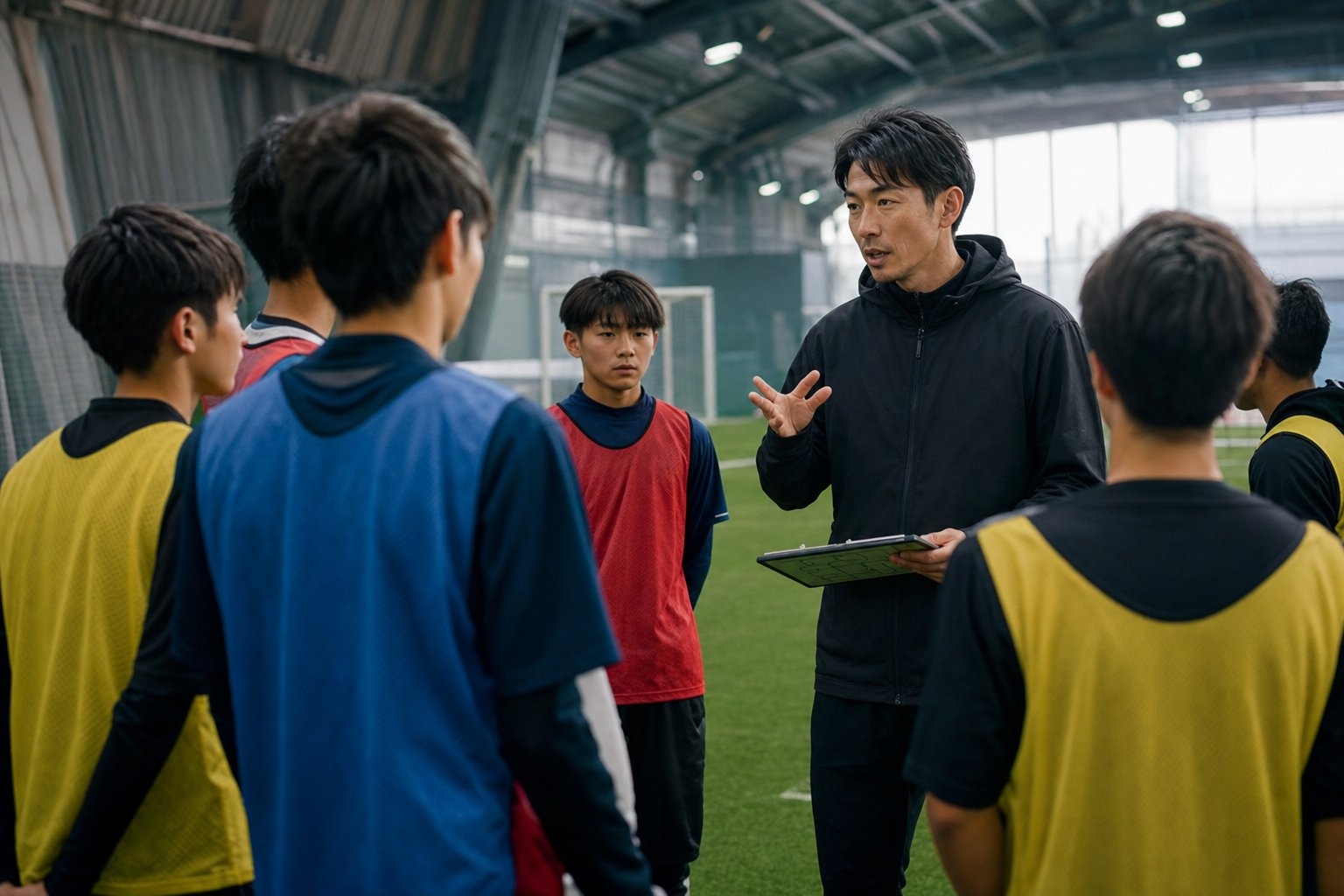
A modest deal in Japan's youth football market is being read locally as a single academy changing hands. We read it differently. When an operator pays for recurring monthly enrolment, retained coaching staff and a facilities lease in one transaction, it is not buying a club — it is buying a template.
The logic is the same one private equity has run in dentistry, veterinary care and childcare across developed markets: fragmented, owner-operated units with sticky local demand, no pricing power individually, and meaningful margin once back-office, scheduling and procurement are centralised. Youth sport in Asia fits the pattern almost too well. Demand is demographic and emotional; parents do not churn mid-season; and the assets are cheap relative to the cash they throw off.
For a Hong Kong operator, the takeaway is not the headline number. It is that the first platform to professionalise multi-site youth operations across Japan, Korea and Greater China will set the multiple everyone else pays. The scale play is participation, not silverware — and the feed of data, talent and family relationships that participation generates compounds long after the first academy is integrated.
The Greatest Good.
中文版
日本將青少年體育整合為規模化生意
日本青少年足球市場的一宗小型交易,本地多被解讀為一間學院易主。我們的看法不同。當營運者在一筆交易中同時買下穩定的每月入學人數、留任的教練團隊與場地租約時,他買的並非一間球會——而是一套可複製的範本。
這套邏輯,與私募基金在成熟市場的牙科、寵物醫療與幼兒照護領域所運行的並無二致:分散、由業主自營、本地需求黏性高、單體缺乏定價能力,但一旦後勤、排程與採購集中化便能釋放可觀利潤。亞洲的青少年體育幾乎完美貼合這個模式。需求源於人口結構與情感;家長不會在賽季中途流失;而相對於其產生的現金流,這些資產相當便宜。
對香港營運者而言,重點不在頭條數字,而在於:第一個將跨日本、韓國與大中華區的多點青訓營運專業化的平台,將為所有後來者設定收購倍數。規模化的核心是參與度,而非獎盃——參與度所衍生的數據流、人才與家庭關係,會在第一間學院完成整合後持續複利增長。
至善之道。
Published by LIT Sports Global, the Hong Kong sports investment and management group. Open this post in the interactive site · Visit the homepage