Media & Culture ·
Leagues Want Fans, Rec Play Has the Feed
Top leagues are fighting over a shrinking pool of broadcast attention. The growth is in recreational play that already lives on the feed.

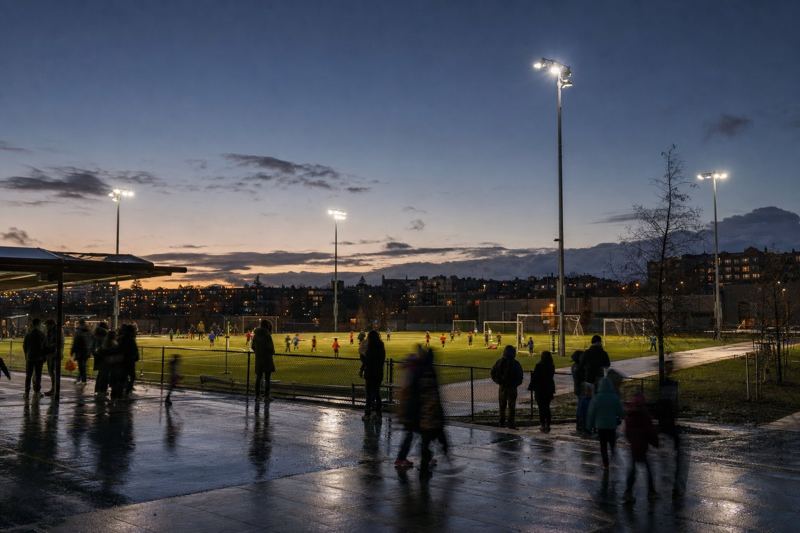
Professional leagues spend the off-season fighting over the same pool of broadcast attention, and that pool is not growing. Recreational and amateur play is. Walk past any floodlit five-a-side pitch on a wet weeknight and you will find the thing the leagues are paying billions to manufacture: people who care, watching people they know, and filming all of it.
The shift is structural. Distribution used to be the moat — a league's value was its ability to put a match in front of millions through a rights deal. But the audience has unbundled. Short-form clips of a Sunday-league wonder goal can out-travel a televised top-flight match, because the feed rewards proximity and recognisability, not production budget. The content that performs is the content viewers feel implicated in.
For an operator, that reframes where the assets are. Owning a marquee team is owning a depreciating broadcast contract. Owning the infrastructure of recreational play — the pitches, the leagues, the scheduling, the data, and the rails that turn a phone video into a distributable feed — is owning the thing that is actually compounding attention. The leagues want fans. Rec play already has the feed.
The Greatest Good.
中文版
聯賽想要球迷,業餘賽場卻擁有流量
職業聯賽在休季期間爭奪同一池轉播注意力,而這池水並未增長。增長的是業餘與休閒賽事。在某個潮濕的平日夜晚走過任何一片燈光下的五人足球場,你會找到聯賽花費數十億試圖製造的東西:在乎的人,觀看他們認識的人,並把這一切拍下來。
這種轉變是結構性的。過去,分發是護城河——聯賽的價值在於透過轉播合約把比賽送到數百萬人面前。但觀眾已經「拆綁」。一段週日業餘聯賽精彩入球的短片,傳播力可勝過一場電視轉播的頂級聯賽,因為流量獎勵的是親近感與辨識度,而非製作預算。表現最好的內容,是讓觀眾覺得「與我有關」的內容。
對營運者而言,這重新定義了資產所在。擁有一支招牌球隊,等於擁有一份不斷貶值的轉播合約。而擁有業餘賽事的基礎設施——球場、聯賽、排程、數據,以及把一段手機影片變成可分發流量的渠道——才是真正在複利累積注意力的資產。聯賽想要球迷,業餘賽場早已握有流量。
至善之道。
Published by LIT Sports Global, the Hong Kong sports investment and management group. Open this post in the interactive site · Visit the homepage